![Hotel Zur Luppbode [EN]](https://primary.jwwb.nl/public/z/w/s/temp-ydbfainelufvzdelwwcm/naamloze-presentatie-35-photoroom-high.png?enable-io=true&enable=upscale&height=70 "Hotel Zur Luppbode [EN]")
![Hotel Zur Luppbode [EN]](https://primary.jwwb.nl/public/z/w/s/temp-ydbfainelufvzdelwwcm/naamloze-presentatie-35-photoroom-high.png?enable-io=true&width=674 "Hotel Zur Luppbode [EN]")

Pure Nature
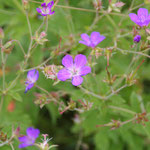
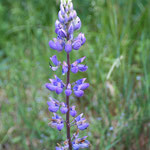
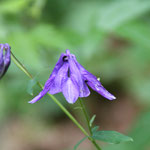
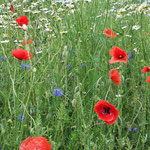
Due to its location on the northeastern side of the Brocken, this area is one of the driest places in the entire Harz Mountains. Thanks to these unique conditions, plants and trees grow here that are found nowhere else.
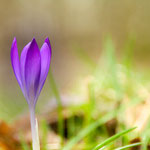
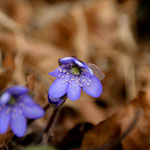
As soon as the snow finally melts in the spring, it doesn’t take long for the forest to burst into a riot of color.
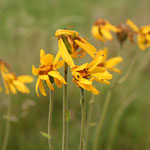
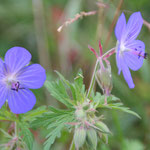
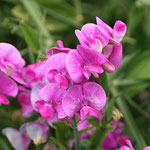
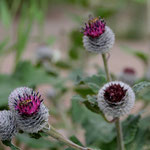
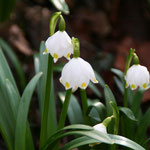
Liverwort, wood anemones, wild garlic, and pepper trees create a true explosion of color.
Throughout the year, you can enjoy a wide variety of herbs, shrubs, and trees.

Birds
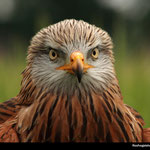
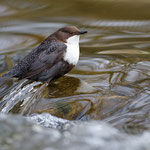
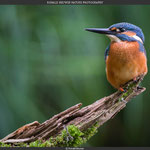
Thanks to its great diversity, the Harz region provides a habitat for countless animal species. It is a unique area for birdwatching. Several endangered species can be found there; the dipper, red kite, black stork, nutcracker, and hawfinch are just a few examples. In the spring and fall, cranes fly over the Harz region.
Mammals
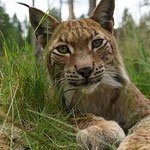
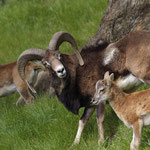
The lynx is one of the best-known animal species; successful reintroduction projects have been underway since the year 2000. Large herds of mouflon inhabit the dry mountain peaks. Other characteristic species include the red deer, the wild boar, the raccoon, and the wildcat.
During the rutting season, you can hear the stags bellowing in the early morning. It is virtually certain that the wolf is reestablishing itself in the Harz Mountains, marking the return of an important predator.
Reptiles en Insects
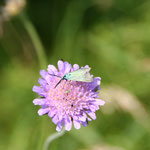
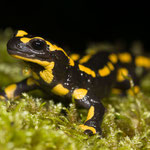
As soon as the snow melts, nature slowly comes to life, and there’s a good chance you’ll spot a fire salamander. Various species of snakes, such as the viper, are found here. You can also encounter very rare butterfly species in the Harz Mountains.